The People Who Remember: The Healing of Hospice Chaplaincy
John Schumacher on a hospice ministry that continues into retirement
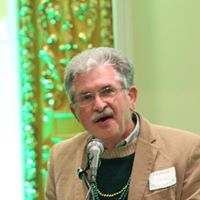
Sometimes a person The Rev. John Schumacher MDiv ’78 does not recognize approaches him in public. The introduction begins with a reminder: he was there when their mother or father died.
The person may recall a prayer he offered, the way he treated the family or how he acknowledged that their loved one had died. Occasionally, they tell him how the family has coped in the years since.
Schumacher has been retired for nearly 11 years. These encounters still happen, though less often now. They give him a view of what families carry away from a chaplain’s visit long after the chaplain’s work is over.
“The important memory is that the chaplain was present and somehow through the chaplain’s presence the Holy was experienced in the midst of their grief,” he said.
His preparation for hospice began in two parishes. In the first, he encountered deaths by suicide, murder and overdose, as well as unexpected deaths of young people. In the second, he served an older population. Much of his ministry took place in nursing homes, funeral homes, hospitals and the homes of elderly parishioners.
He found himself comfortable in those settings and satisfied by the care he could offer people with life-limiting illnesses. To test his sense of call, he resigned from parish ministry and accepted a residency at a level one trauma center. Even as he began, he suspected he was heading toward hospice.
There, he came to understand listening to a person’s story as a central responsibility of spiritual care. Patients reveal what matters through the music they choose, the art they keep around them and the language they use to describe experiences that resist explanation.
“End-of-life care taught me the importance of story,” he said.
Telling a life story can help someone understand how its pieces fit together. It can be a way of seeking peace or explaining how they want others to remember them. For Schumacher, the chaplain’s role adds a religious dimension: a conversation may become an occasion for confession and absolution, invocation or blessing.
Relatives and caregivers need opportunities to tell their stories, too. Before or after a death, listening can help them make sense of what they have experienced.
Schumacher places that work within a hospice team whose members share responsibility for the whole person. In his account, a chaplain assesses pain, a social worker might help change a diaper and a nursing assistant may sing hymns while bathing a patient. Each brings particular skills, but care can cross professional boundaries.
At LSTC, his teaching parish placement at Bethlehem in Chicago’s Beverly neighborhood helped him develop his pastoral identity. The congregation welcomed students. Two co-pastors invited seminarians into the workings of the pastoral office, demonstrating compassion and openness without concealing their humanity or humor.
Clinical pastoral education after his second academic year brought his first professional exposure to life-threatening illness and death. Assigned to pediatrics and pediatric intensive treatment, he left with confidence that he could do the work.
His advice to students includes listening to patients and families, who can say what gives them hope and comfort. It also includes finding support. Chaplains working outside an interdisciplinary team, he says, should create a network of peers.
“And don’t try to do this work on your own,” he said.
After years of attending to other people’s stories, retirement sometimes brings one back to him. Someone remembers what happened in a room where a parent was dying and wants him to know that his presence mattered.