Before the Next Call: Chaplaincy and Fire Service in Tight-Knit Communities
Josh Ehrler on earning trust in the firehouse
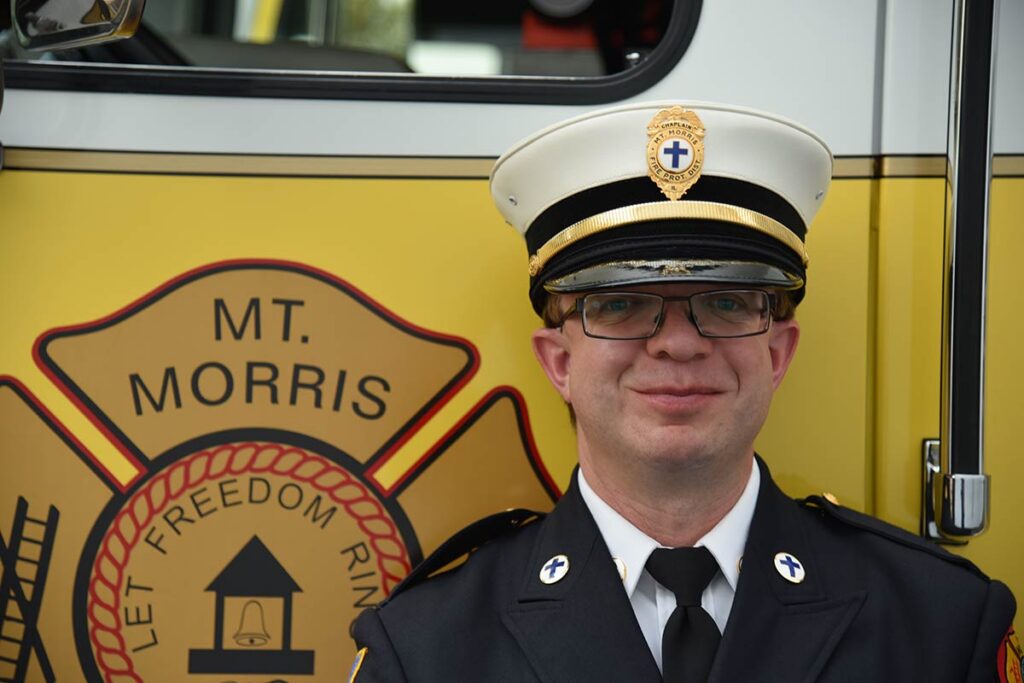
For a couple of years, conversations rarely got beyond the weather. The Rev. Josh Ehrler MDiv ’05 had become a fire chaplain, but the role alone did not make him someone first responders would confide in. He had to keep coming back.
Lunch at the firehouse, attendance at drills and time spent at meetings became part of the work. So did curiosity about the equipment responders used and the skills they had spent years acquiring.
“Establishing trust begins with showing up,” Ehrler said.
He had worked as an EMT in the 1990s. Friends entered the fire service after high school, and several members of his family are now first responders. His own chaplaincy developed after he met a local fire chief who supported establishing the role and continues to provide training and gear.
Ehrler serves locally on a statewide firefighters’ board and with a regional crisis response team. He understands those commitments as part of his ordination promise to respond to his community, including people living through circumstances they could not have anticipated.
At an emergency scene, his attention goes to those directly affected. He may call the Red Cross, coordinate resources or contact relatives. He helps information move between incident command and people waiting to learn what has happened.
Sometimes the first task is helping someone regulate their breathing. At a medical scene, he may guide relatives away from the treatment area and find somewhere they can stand or pace. He keeps a bottle of water available and encourages them to sip it.
Prayer happens when requested. More often, Ehrler asks about the person being treated or explains what responders are doing. He listens without treating someone’s reaction as another emergency.
“Mostly, the job is to listen with intent and without judgment, and to remind folks that how they are reacting (and will react days later) is normal,” he said.
His responsibility also includes the people answering the call. During an incident, he distributes water and supplies, watches and listens, and checks with command staff. Afterward, he stays through cleanup and the after-action report. Following a particularly difficult event, he often calls personnel individually.
Between calls, he teaches mental health classes and keeps contacts for clinicians, facilities and organizations available to share. He describes a service in which mental health receives more attention, even as post-traumatic stress, mental illness and suicide remain concerns.
He also has advice for anyone hoping to understand responders better: do not ask them to describe their worst calls. Ask about the work they have learned to do.
Ehrler’s theological education at LSTC helps him approach that work with a sense of his own abilities and limits. Language study sharpened his attention to words. Worship leadership taught him to trust his preparation while adjusting as circumstances change. Professors who sent students into the city to engage people across differences helped him enter unfamiliar situations with respect.
“Understanding the theology of the cross is fundamental for standing alongside people who are in their deepest moments of loss and suffering,” he said.
He protects the details of particular calls because his community is small enough that an account might identify someone. But he has accompanied families during overdose responses, waited with people for news from a search and supported neighbors who escaped a house fire in winter with barely enough time to put on socks.
The emergencies differ. His task includes making sure someone receives attention while the response continues around them. And afterward, he returns to the station, where the next conversation may begin with the weather.
Read Ehrler’s writing at Preaching in the Rurals on Substack: https://substack.com/@preachingintherurals