LSTC Alumni
Graduates of the Lutheran School of Theology at Chicago (LSTC) serve congregations and communities as ordained, rostered and lay leaders. We celebrate your visionary leadership and its impact throughout the world.
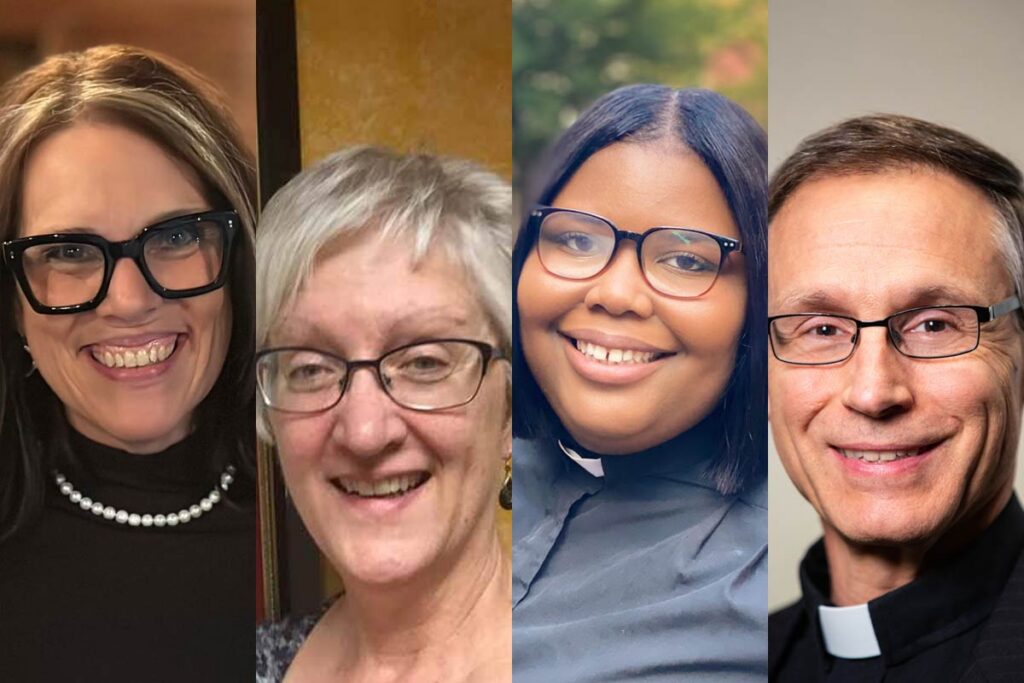
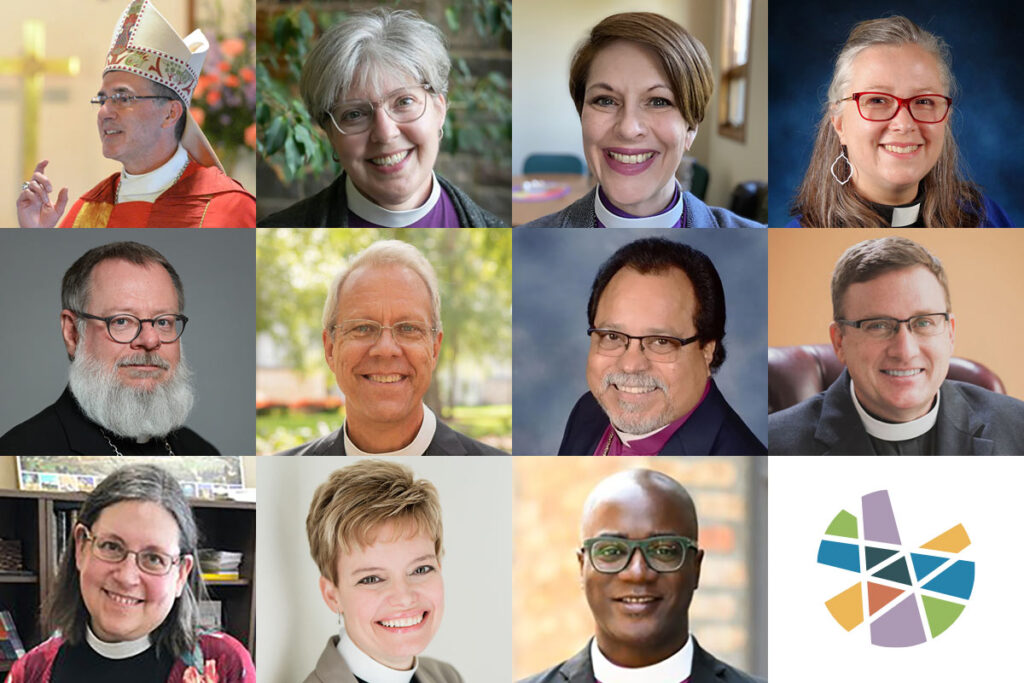
Congratulations 2026 DISTINGUISHED Alumni Award Winners!
LSTC proudly celebrates the recipients of the 2026 Distinguished Alumni Awards, recognizing alumni who have demonstrated outstanding leadership, service, and academic excellence in their respective fields.
This year’s honorees are:
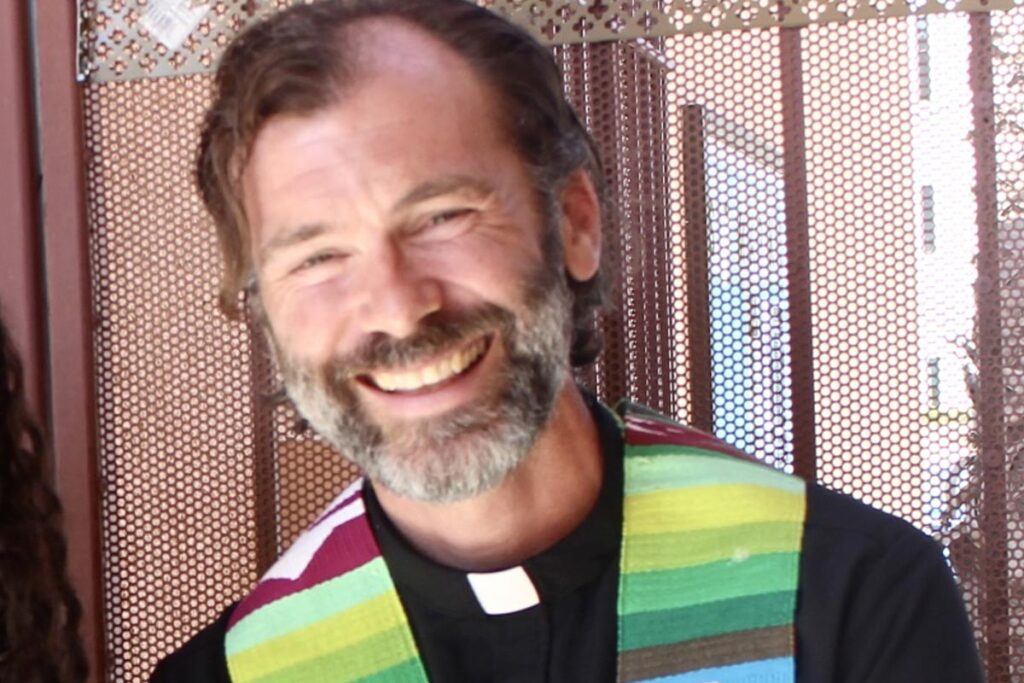
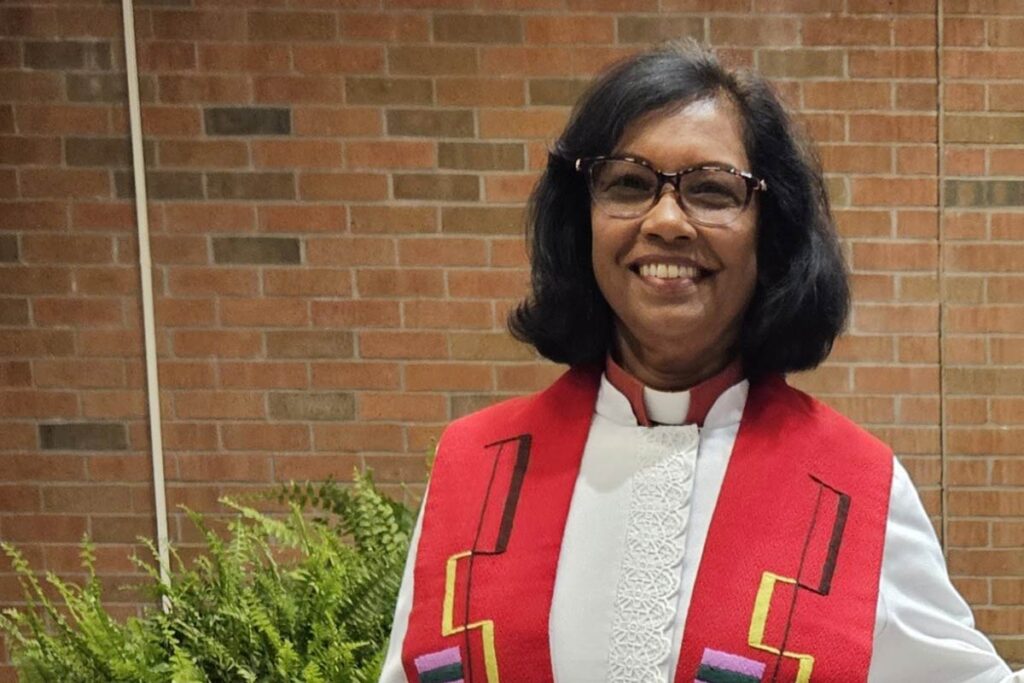
Rev. Jen Beamsley – Faithful Servant Award
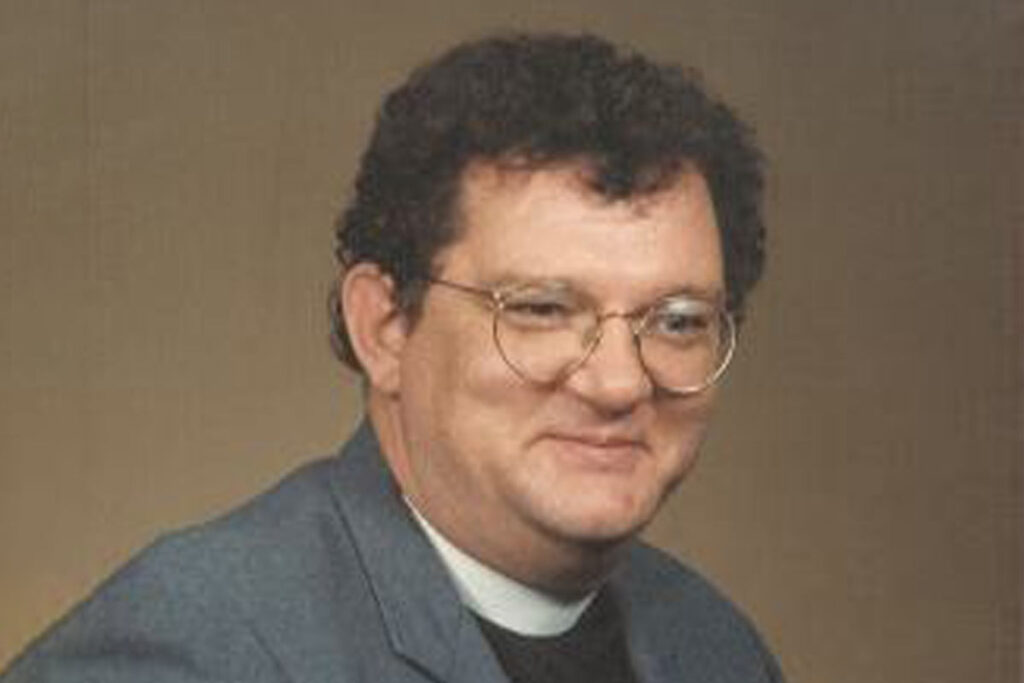
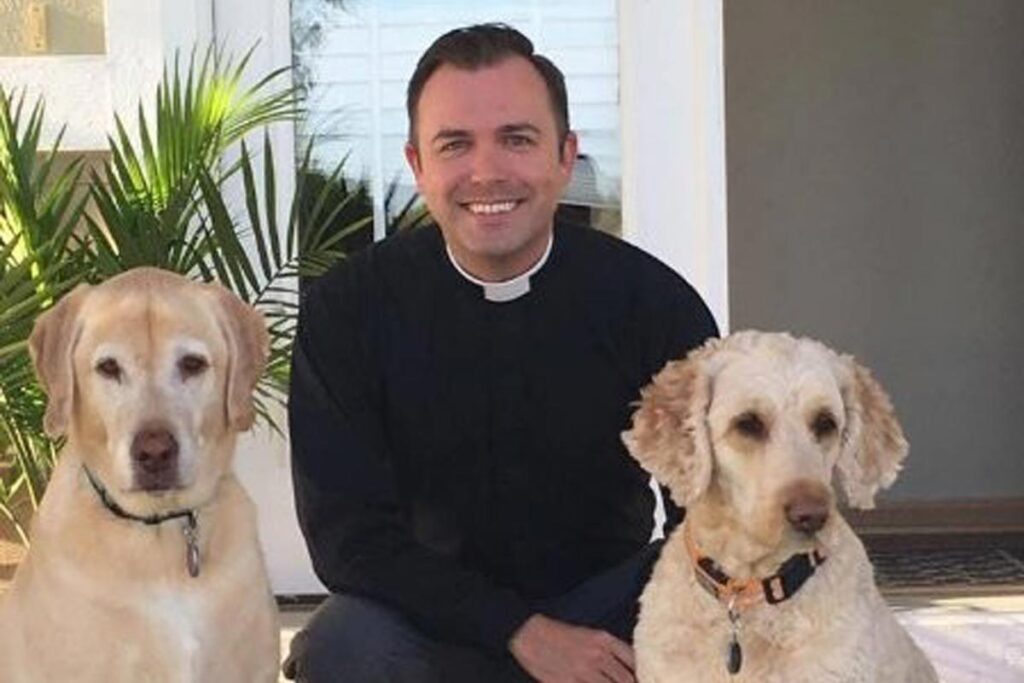
Rev. Lynn Bird – Excellence in Parish Ministry Award
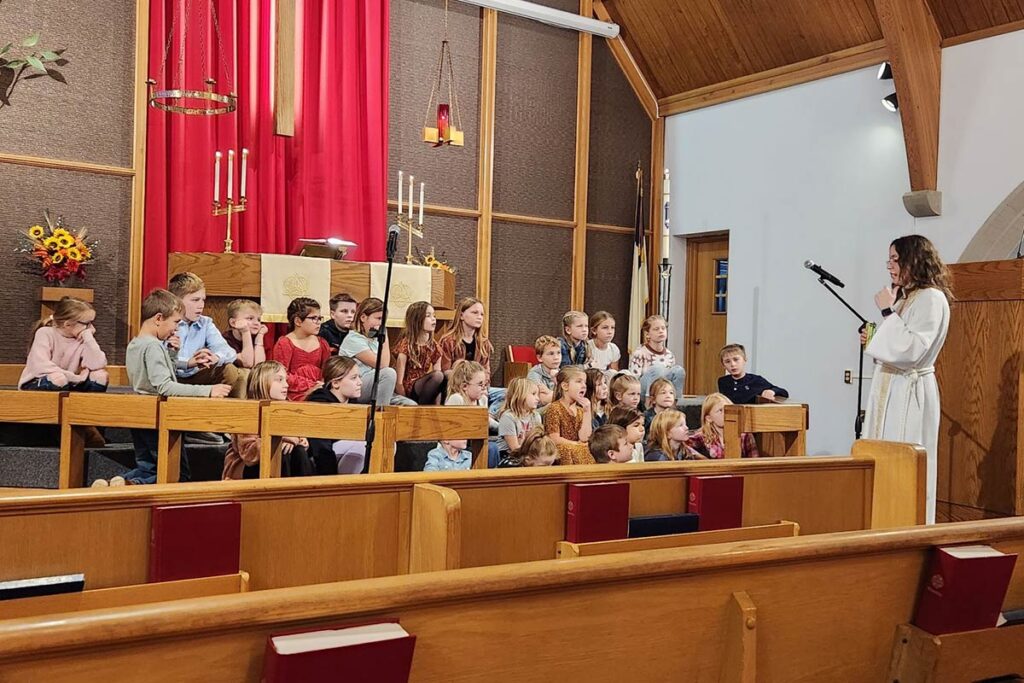
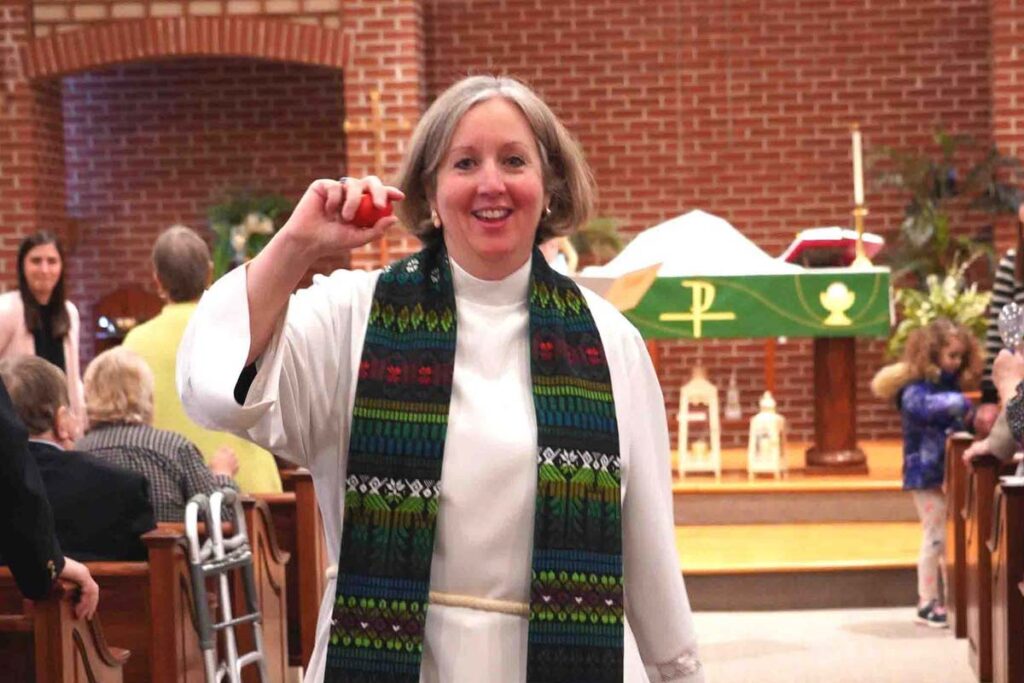
Rev. Dr. Ralen Robinson – Emerging Voice Award
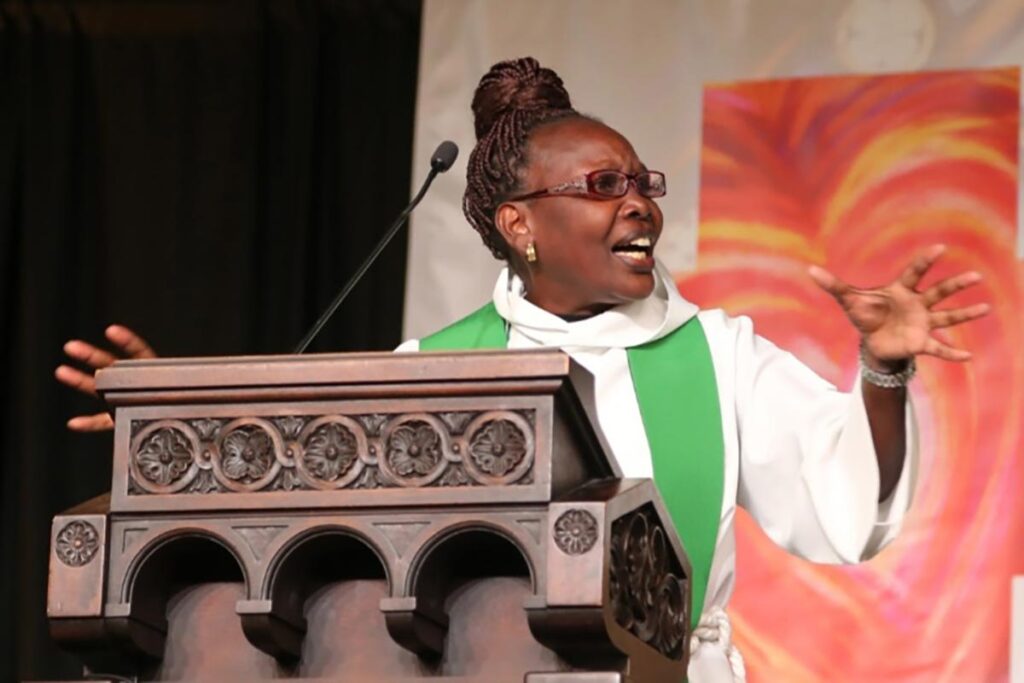
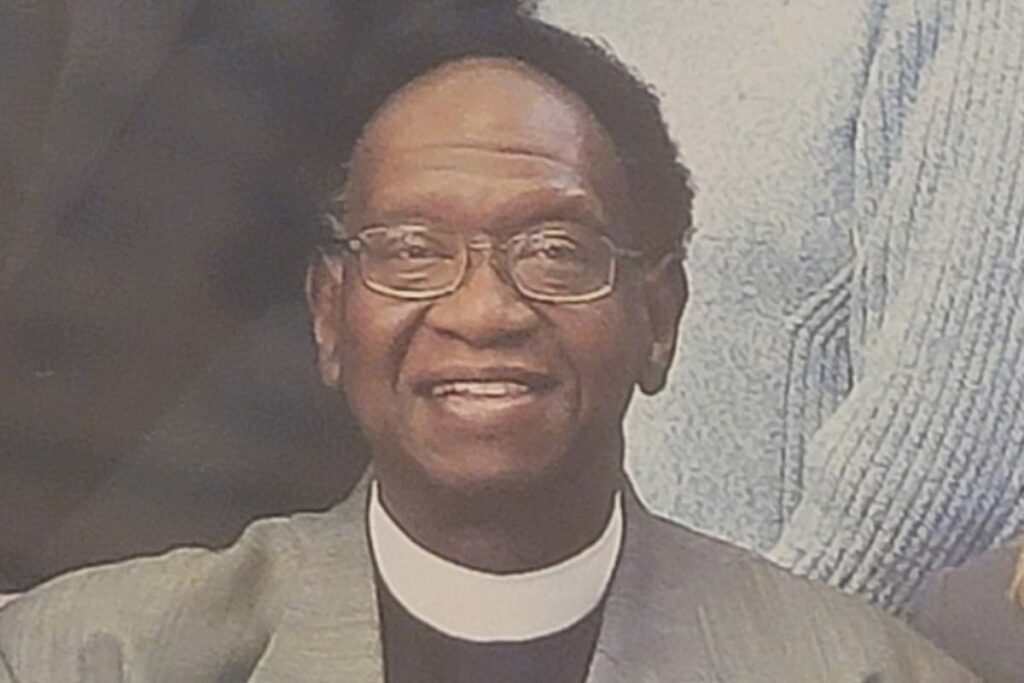
Rev. Roger Willer – Called to Lead Award
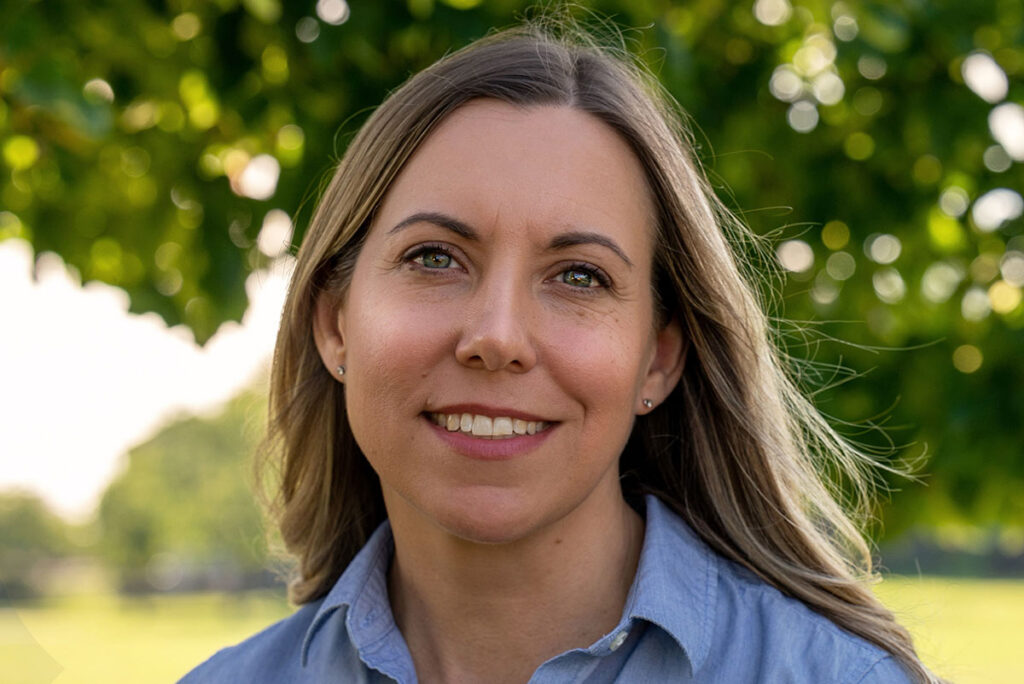
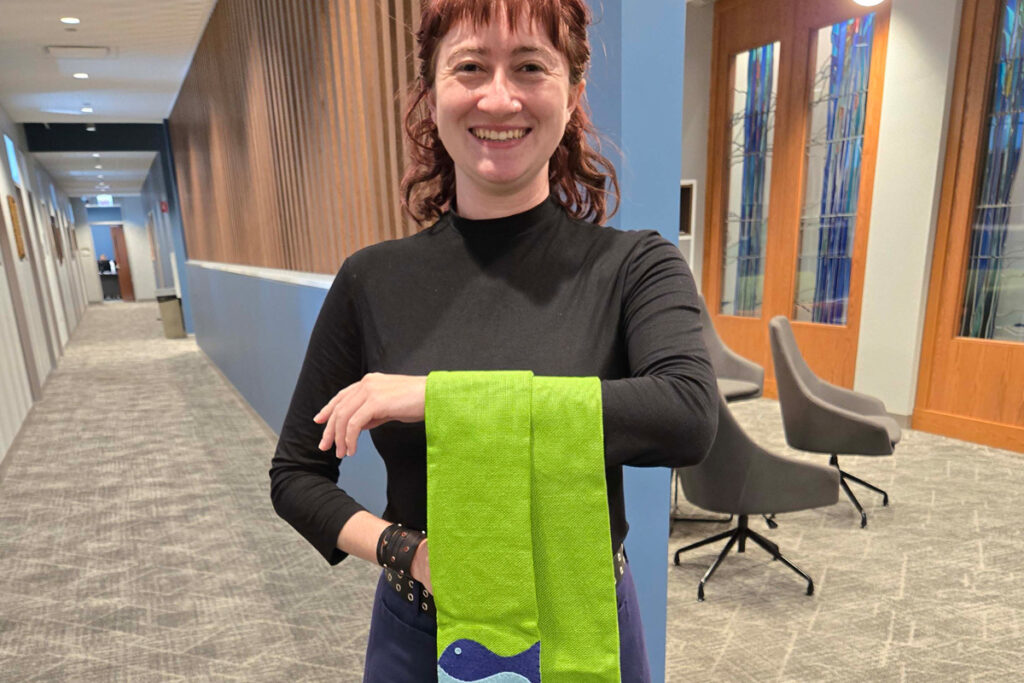
Congressional Candidate and Alum Sarah Trone Garriott on the Power of Showing Up
The road to Sarah Trone Garriott’s current position as a congressional candidate running to flip IA-03 has been one that has been marked by her work in ministry as well as her commitment to service.
A Message from ELCA Presiding Bishop and LSTC Alum Yehiel Curry
ELCA Presiding Bishop Yehiel Curry’s journey to ministry began just steps away from LSTC’s Hyde Park campus. Growing up in the neighborhood, he never imagined that the seminary he walked past would one day shape his calling and prepare him for leadership in the church.
In this video, Bishop Curry reflects on how his unexpected “yes” to mission and theological study at LSTC transformed his life, from working in sales to becoming Presiding Bishop of the denomination. His story is a powerful reminder that God’s call can meet us in surprising ways, and that theological education can equip us for vocations we never anticipated.
Like Bishop Curry, many students come to LSTC unsure of where God’s call will lead them. Through rigorous academics, deep community, and support from mentors, they discover a path toward meaningful ministry and leadership.
If you’re discerning your own call, we invite you to learn more about how LSTC can walk with you in discovering and answering God’s “yes.”
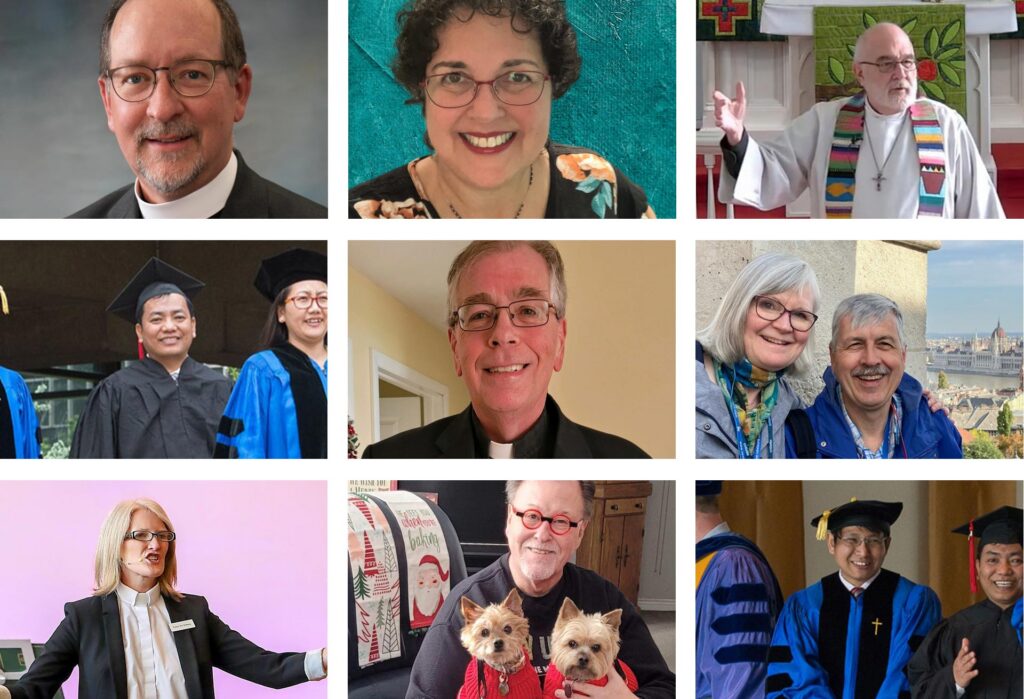
Where are they now?
Where are LSTC alumni now, and what has unfolded in their lives since graduation? We gathered brief snapshots from alums across decades and callings: where they’re serving, what they’re learning, and the moments that have shaped them along the way.
Meet the Alumni Board
Dr. Melissa James, Deacon, MA 2004
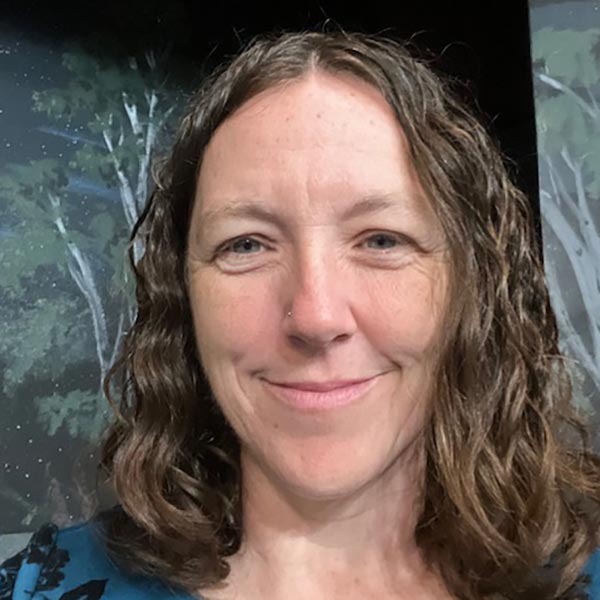
UUA Congregational Life Field Staff, La Mesa, CA
Why did you choose to attend the Lutheran School of Theology at Chicago?
When looking at seminaries, I was looking for a place where I could deepen my commitment to and knowledge of the intersection between faith, values, and social justice. As soon as I came to campus and saw the courses offered, the flyers [advertising] student activities, and talked to students involved directly in worker justice movements, I knew LSTC was the right place to pursue my call.
Who were the faculty or staff who inspired you during your time at LSTC?
Among many inspiring faculty, one who made a significant impact on my trajectory during and beyond seminary was Dr. Richard Perry. Dr. Perry was more than my ethics professor. He was an advocate of faith in the public sphere and the reason I was interested in and able to attend community organizing training.
How have you built your career after graduation?
After LSTC I served my first call at Wartburg College as the Associate for Discernment and Mentoring. This was an incredible opportunity to work with students, think creatively about what interfaith engagement could be, and further discern my call to teaching. I then moved to California to earn my PhD in Ethics and Social theory. I worked many jobs as I made my way through graduate school including serving at the Unitarian Universalist congregation in Oakland. I graduated with my PhD in 2012 and spent several years doing ministry in nontraditional settings such as [working as an adjunct professor] at universities, running farm education programs, and teaching afterschool science classes.
I found my way more back into more formal ministry when I took a position of Director of Lifespan and Family Ministry at a UU church in San Diego and serving part time in campus ministry at the Agape House at San Diego State University. From there I began teaching Gender Studies and Sociology at the University of San Diego and serving full-time with the Unitarian Universalist Association as Pacific Western Region Congregational Life Field Staff. My current ministry allows me and my team to provide support, training, and pastoral care to nearly 200 Unitarian Universalist congregations in the Western half of the United States. I continue to be connected to the Lutheran clergy and my Synod and often teach or provide supply preaching to stay connected to and serve the Lutheran Church.
Why did you choose to get involved with the LSTC Alumni Board?
I chose to get involved with the LSTC Alumni Board because I am adamant about having the Word and Service roster at every table–especially ones that shape the formation and education of ministers and theologically trained lay leaders.
What Board initiatives are you looking forward to most in the coming year(s)?
I am excited about the work we are doing to live into a structure that is intentionally based in shared ministry and anti-White Supremacy Culture. Engaging with the wider community, I’m particularly excited about our partnership with those planning the Seminex Reunion/Homecoming in spring 2024.
What advice do you have for students interested in pursuing a career in ministry?
Keep your mind and heart open to what ministry is and includes. We live in liminal times, where the needs of our communities, within and outside church walls, are continuously changing. Use your time in seminary to fill your toolbox with as varied of set of tools as you can yet know it can never be everything you need for ministry. Learn to deeply listen to, connect, and love people and your ministry will be an invaluable part of our shared call to create Beloved Community.
Rev. Liz Christensen Kocher, MDiv 2017
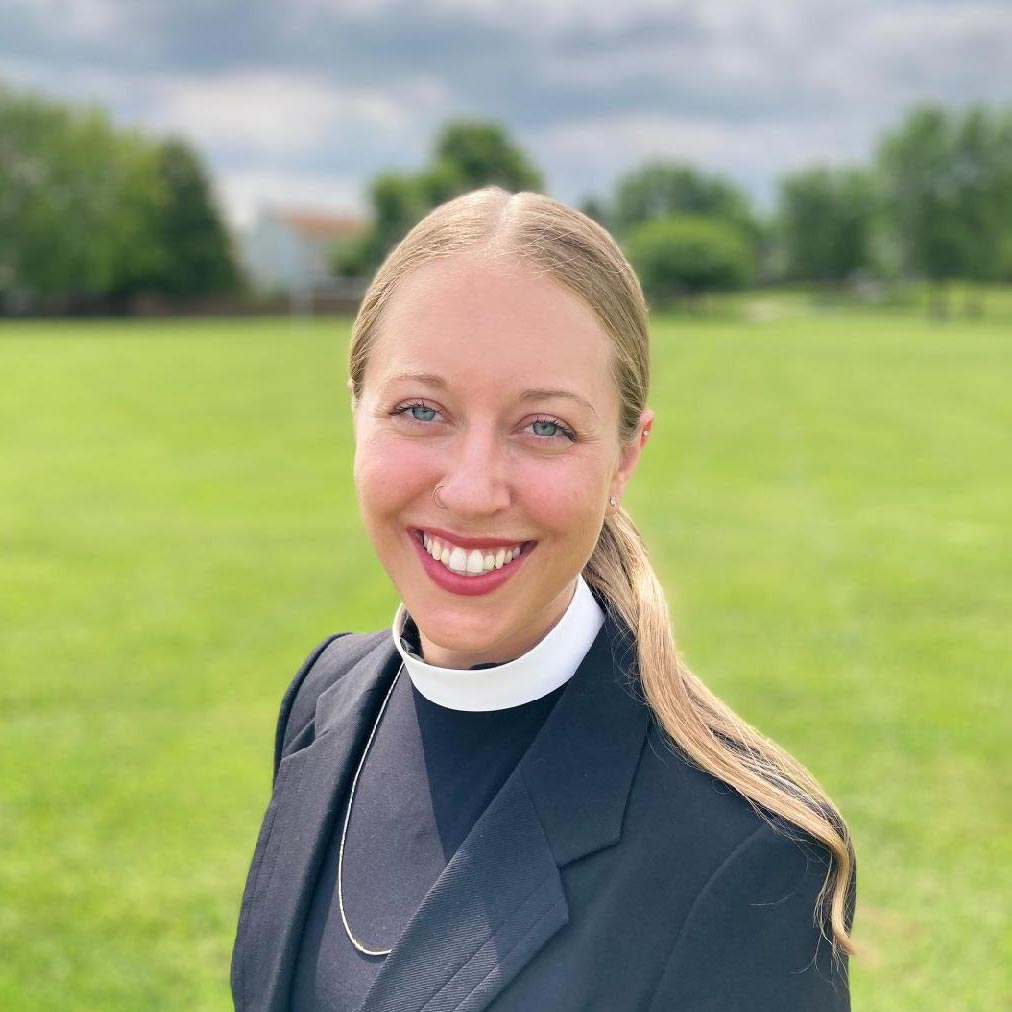
Campus Pastor, Lutheran Center at the University of Nebraska-Lincoln Campus, Lincoln, NE
Why did you choose to attend the Lutheran School of Theology at Chicago?
I attended LSTC because of the innovative theological education, the top-notch faculty, and the setting in Chicago. I knew this school would challenge me to be a stronger, more open-minded leader.
Who were the faculty or staff who inspired you during your time at LSTC?
I was most inspired by Rev. Dr. Gordon Straw, and the way he combined academic excellence with a deeply grounded and personal theological experience with the divine in a way that broadened my understanding of the church and world. My favorite class with him was “Theology of Vine Deloria Jr. and Native Christian Thought,” and I regularly draw on experiences from this class in my everyday ministry.
How have you built your career after graduation?
I have been ordained as a pastor since 2017 and am currently serving as Campus Pastor at the Lutheran Center on the University of Nebraska-Lincoln campus.
Why did you choose to get involved with the LSTC Alumni Board?
I am involved in the LSTC alumni board because LSTC is a broad-reaching institution, and many alumni and friends of the community are across the country and world. Being part of the board means helping build and foster these connections.
What Board initiatives are you looking forward to most in the coming year(s)?
I am most looking forward to our Fall Alumni Gathering and beginning to introduce the broader community to the new building space.
What advice do you have for students interested in pursuing a career in ministry?
Seminary is when we practice experiencing theological understandings beyond our own. Understand this practice as preparation to continue this experience after graduation, and into professional ministry. We are always learners.
The Rev. Dr. Carrie Lewis La Plante, MDiv 2004; DMIN 2015
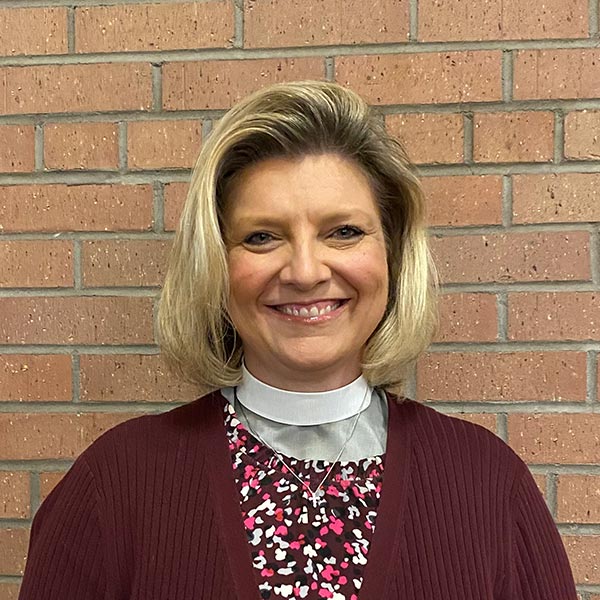
Senior Pastor, Evangelical Lutheran Church, Eldridge, IA
Why did you choose to attend the Lutheran School of Theology at Chicago?
Honestly, the Lutheran School of Theology at Chicago was the only seminary that I ever thought about attending. While I felt a call leave my first career as an actuary to attend seminary, I was not yet convinced what this was a fit for me or that being a pastor was really what God was calling me to do. I had friends in the Chicago area, as that was where I was living at the time, and I could easily travel home to my parents’ in Nebraska, so I knew that I would have support as I discerned what was next if I remained in Chicago.
Once I was a student, it was clear to me that LSTC was the right seminary for me. The ability to study not only at LSTC but at the other ACTS seminaries helped to broaden my exposure to other Christian traditions. The social justice emphasis within the community helped me to hone some of my skills in standing up for others in helpful ways. The community that was built among students and faculty was also an important part of what made LSTC the place where I could best be formed to serve as a pastor in this ever-changing world.
Who were the faculty or staff who inspired you during your time at LSTC?
There are so many faculty who inspired me during my time at LSTC, but these are four who stand out to me. Craig Satterlee was my advisor, and we began at LSTC together in the fall of 2000. He was also my advisor for my DMin program. Craig is an inspiring preacher, and his passion for inclusion of people of all abilities has helped me to look at the world and the spaces around me in a different way. Preaching was the primary reason that I did not want to go to seminary, and Craig helped me to find the importance of and the joy in proclaiming Jesus in the world. He was also intent on inviting me to return to LSTC for the DMin program, which was the primary reason I sought out that degree.
Audrey West, who also began at LSTC in 2000, made learning Greek fun, and she helped me to come to appreciate Paul’s letters. Exegesis was a challenge for me at first, and Audrey helped me to find my process for digging into the text. She is also a compassionate soul who helped me in the face of many personal struggles that I faced during my seminary career.
Kadi Billman not only taught pastoral care classes, but she exemplified pastoral care in everything she did. I learned as much from the way that she taught and the way that she lived her life among us as I did from the classwork that I did for her classes. I am grateful that we have continued to stay connected over all of these years, and she continues to inspire me in all that she is doing in her retirement.
Finally, Kurt Hendel was an amazing church history professor. Anyone who knows me, knows that history is not a subject in which I excel, nor a topic I particularly care for. However, Kurt helped me to make connections between the church of the past and the church of the present, as well as teaching me the importance of knowing the history in order to help the church move forward into the future. I especially enjoyed the Footsteps of Luther trip that I made with Kurt in the fall of 2021, especially when the tenor of trip changed when we found ourselves in Germany as the terrorist attacks were happening in America on September 11. We have remained connected all these years, and I am honored to co-chairing the current Capital Campaign with Kurt.
How have you built your career after graduation?
My first call was to serve as a solo pastor at Holy Trinity Lutheran Church in Newton, Iowa. I served that small congregation from January 2005 through November of 2007. I was then called to serve as Associate Pastor for Youth and Family Ministry at Redeemer Lutheran Church in Indianola, Iowa. I served this congregation from November 2007 to June 2016 during which I created a Confirmation program that invited the youth to not only learn theology and Bible, but also cooking, woodworking, gardening, art, and other skills that were taught as robustly in school using experts in these fields who were members of the congregation. In July of 2017, I began serving as the Senior Pastor at Faith Evangelical Lutheran Church in Eldridge, Iowa, where I continue to serve.
Throughout my career, I have found ways to serve the larger church. I believe that it is important to serve the community in which I am serving as a pastor, to encourage cooperation among the various religious communities, and to serve the ELCA in ways that are beyond the congregation. I currently serve on both the Alumni Board (since 2021) and the Foundation Board of Trustees (since 2023) for LSTC, and I am serving as a co-chair for the current Capital Campaign for LSTC. I have been serving on the Board of Directors of Lutheran Lakeside Camp in Spirit Lake, Iowa, since 2017, serving as Treasurer from 2017 to 2021, and serving as Vice President for the 2023-2024 year. I am currently the President of the North Scott Clergy Group, the ecumenical ministerial association in our area, and I served as President of the Indianola Ministerial Association in 2013 and 2014. I served on the Board of Directors of the Indianola Hope Foundation from 2014 to 2016. I served on the Candidacy Committee of the Southeastern Iowa Synod from 2009 to 2019. I was also a voting member to the 2011 and 2022 Churchwide Assemblies.
I also continue to learn and grow in my ministry as the church and the world are always changing. Because ministry to and with youth and young adults has been centered in so much of my ministry, I have done much training on the Growing Young initiative through the Fuller Youth Institute, and I am helping to lead conversations within and among congregations in the Southeastern Iowa Synod who are seeking to grow young. I have also been trained as a Level 1 Coach through the ELCA Coaching Network, and I am helping to shape a coaching ministry in the Southeastern Iowa Synod as well.
Why did you choose to get involved with the LSTC Alumni Board?
My time at LSTC was a time of significant growth as much of my life and ministry was shaped there. I also believe that LSTC has a unique voice among the seminaries in the ELCA, and I feel that it is important for that voice to continue to speak loudly and clearly into both the church and the world. As a member of the LSTC Alumni Board, I am hopeful that the work that I will do with my colleagues will help to connect LSTC alumni in significant ways as we seek to serve the larger church together. In these days when so much is changing in the church and the world, I think it is important for alumni to support the seminary that helped to shape them so that others can be shaped in similar ways into the future.
What Board initiatives are you looking forward to most in the coming year(s)?
I am excited about the ways in which we are seeking to redefine the role of the Alumni Board in order to take on a more advisory role to the seminary. I am also excited about the ways in which we are hoping to create opportunities for alumni to rebuild and build new relationships with the seminary through events that will draw alumni and others back to the seminary, especially as we move into a new space and seek to make it our own for the future that lies ahead.
What advice do you have for students interested in pursuing a career in ministry?
One piece of advice that I have for students pursuing a career in ministry is that flexibility is of utmost importance. There has rarely been a day in my ministry that has played out the way that I had planned it, and the need to pivot is a regular reality. Also, being self-differentiated and self-aware is important both to protect you in the face of challenge and to help you to be the leader that is needed both in the joys and challenges of ministry. Finally, no matter what is going on around you, continue to remain centered in Christ. Jesus is the only savior we and the members of our congregations have, and keeping that promise at the center of everything, while not always easy, is the one truth that will always hold true.
Pastor Jason WaHLstrom, MDiv 2001
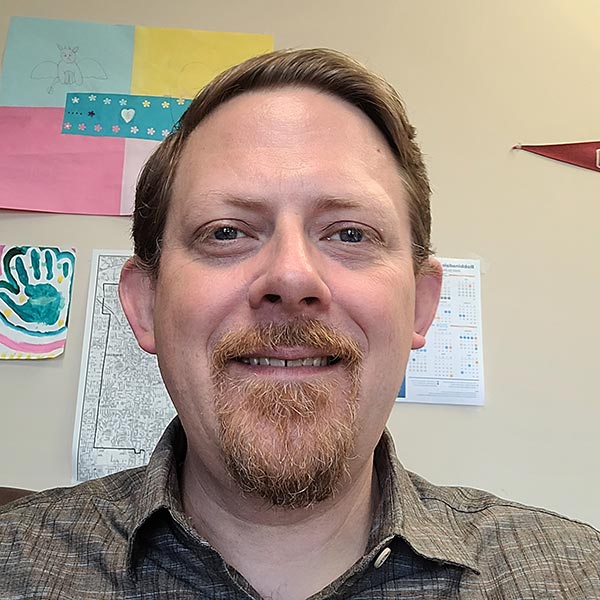
Pastor, Holy Nativity Lutheran Church, New Hope, MN
Why did you choose to attend the Lutheran School of Theology at Chicago?
When I was looking for a seminary, I was finishing my undergraduate degree at the University of Chicago (in political science). LSTC was, of course, the most convenient ELCA seminary for me. But more important than that, I found that LSTC was a seminary with a deep sense of community. Living together in community was what I was looking for, and LSTC offered that.
Who were the faculty or staff who inspired you during your time at LSTC?
Ralph Klein and Ed Krentz were particular inspirations. Their stories of Seminex as well as their biblical knowledge were phenomenal.
How have you built your career after graduation?
I have served as a parish pastor since my graduation in 2001. I am in my 16th year at Holy Nativity Lutheran Church in New Hope, MN.
Why did you choose to get involved with the LSTC Alumni Board?
LSTC was essential to my formation as a pastor and a leader. I hope that it can be the same for current and future students.
What Board initiatives are you looking forward to most in the coming year(s)?
I am excited about the Homecoming event in spring, 2024. We are planning a conference to commemorate the 50th anniversary of the Concordia Seminary walkout as well as thinking about how that event impacted LSTC and what it means for our future.
What advice do you have for students interested in pursuing a career in ministry?
Commit yourself to a community, always seek collegiality, and make sure you have a solid foundation in theology and biblical knowledge.
Rev. Duane Miller, Retired Pastor, MDiv 1979
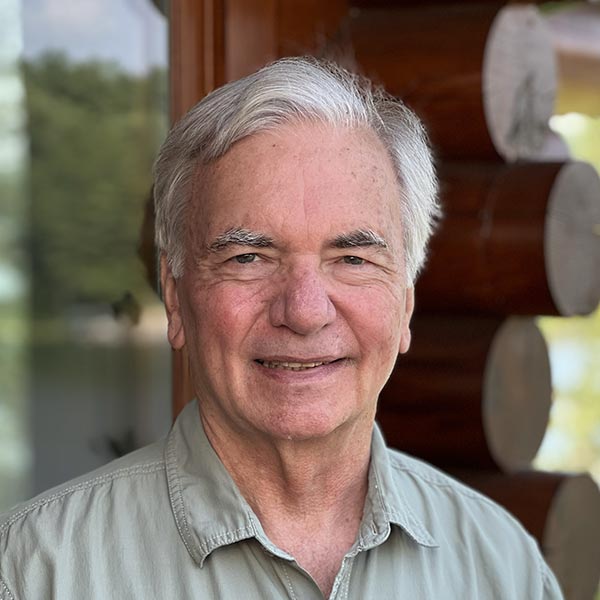
Pastor, Holy Nativity Lutheran Church, New Hope, MN
Why did you choose to attend the Lutheran School of Theology at Chicago?
I chose LSTC because my synod (Michigan Synod of the LCA) supported it, my pastor graduated from there, and I wanted to stay in the Midwest for personal reasons. I considered Philadelphia briefly because my grandfather attended there, and his cousin had taught there. I visited LSTC twice in connection with youth trips to Chicago by my congregation, and one Seminary Weekend. Those personal experiences, and my desire to study in Chicago, informed my choice as well.
Who were the faculty or staff who inspired you during your time at LSTC?
Phil Hefner, because of his appreciation for science as well as religion, and Robert H. Fischer, because of my interest in American Lutheran Church History. Carl Braaten was my academic advisor, and he kept a sense of call in front of me.
How have you built your career after graduation?
The first two calls were a struggle. It takes time to learn the work of practical ministry. Over time, intentional interim ministry became my calling. After taking Basic Education for the Practice of Interim Ministry, I then took almost every course I could that was offered by the Alban Institute. Those classes on congregation conflict, human resource management, congregation consulting, and congregation governance (my favorite), equipped me for the work of leading congregations in leadership transitions.
Why did you choose to get involved with the LSTC Alumni Board?
I joined the Alumni Board because I was asked. It’s not something I envisioned when I retired last year. I hope I can help further the mission of the seminary by strengthening connections between the institution and the alumni base.
What Board initiatives are you looking forward to most in the coming year(s)?
I hope the Alumni Board can be in meaningful conversation with LSTC Alumni, and that those conversations in turn strengthen the relationship between the school and its’ graduates.
What advice do you have for students interested in pursuing a career in ministry?
I envied my classmates who had done some kind of work or study between college and seminary. They brought maturity to our community, and I had the sense they had benefited from some real world experience before entering seminary life. Not saying everyone needs to do it that way. Just something to ponder as one considers whether they are called to theological study and/or practical ministry.
Alumni Stories
Alumni Information and Resources


Have a question?
Stay Connected


