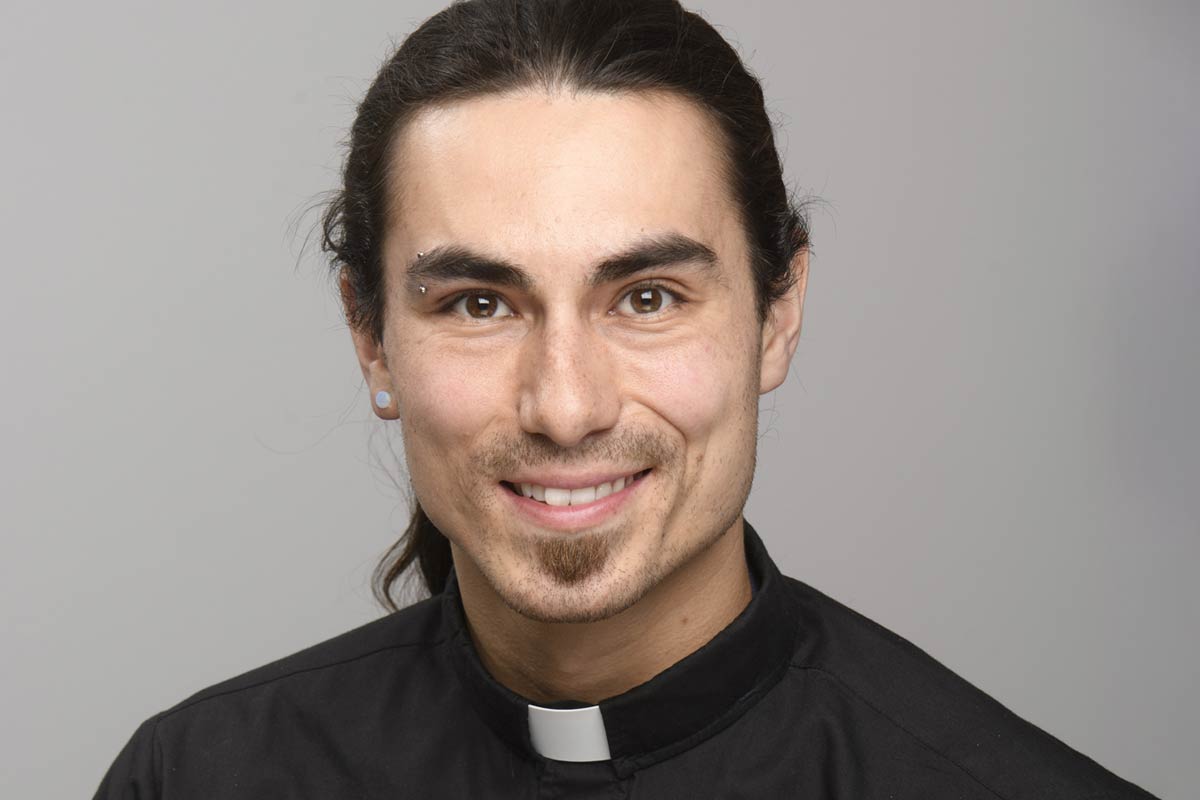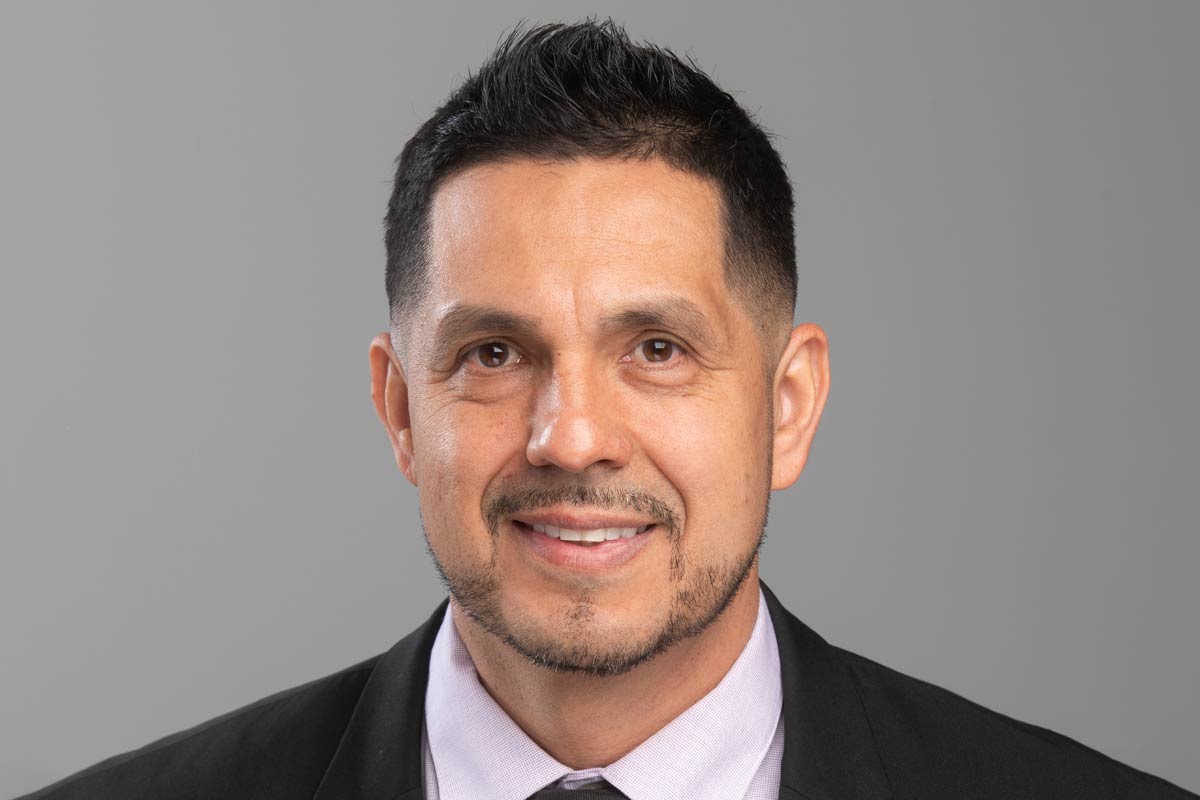
Jhon Correa
Doctor of Philosophy
What is your favorite memory of your time at LSTC?
Going to “Jimmy’s” and hanging out with Dr. Westhelle by the apartments, having deep discussions about language and philosophy.
What was the most meaningful class you took?
Dr. Westhelle’s course on understanding the philosophies of language and meaning, and Dr. Swanson’s historiography course.
How did you feel supported during your seminary journey?
I felt supported in countless ways throughout my seminary journey. It was a time filled with simple but meaningful moments, sharing coffee or a meal, enjoying conversation over a beer, and receiving steady words of encouragement when I needed them most. I was given spaces not only to study, but to truly live: to read, think deeply, rest, create, and reflect.
Were you the recipient of any major scholarships?
Yes, I was. Receiving several scholarships made a significant difference in my seminary journey. They allowed me to focus more fully on my studies and formation without the constant stress of worrying about how I would pay the next bill. Because of this support, I was able to be more present in my classes, engage more deeply in learning, and participate more fully in the life of the community. The financial relief these scholarships provided gave me a sense of stability and peace, which made a lasting impact on both my academic experience and overall well-being.
What communities or people uplifted you during your studies?
There were many communities and people who uplifted me throughout my studies. From shared spaces like the garden, choir, and lunch gatherings to the support of the international office, I found encouragement and care in countless places. These were not just activities or services, but meaningful points of connection where relationships were built and nurtured. The people who supported me are honestly too many to name. I hesitate to mention only a few, because it would not be fair to leave others out. What I can say is that I was surrounded by a community of individuals who, in both big and small ways, offered kindness, presence, and encouragement. Together, they created an environment where I felt supported, valued, and able to grow.
What are your post-graduation plans?
I hope to continue teaching and engaging with other institutions, sharing what I have learned, and creating spaces where others can grow and reflect. I am eager to keep teaching not only as a profession, but as a calling, one that invites dialogue, curiosity, and transformation. Also, I look forward to dedicating more time to writing. It will allow me to deepen my thinking, contribute to ongoing conversations, and share insights shaped by our collective experiences.
How did LSTC shape you as a future leader of the public church?
LSTC helped me connect faith with the realities of the world and shaped me to teach and lead with humility, compassion, and courage. It strengthened my ability to listen, engage diverse perspectives, and participate in honest dialogue. Through this experience, I am better prepared to serve as a thoughtful and faithful leader in the public church, committed to building relationships and engaging the wider community.