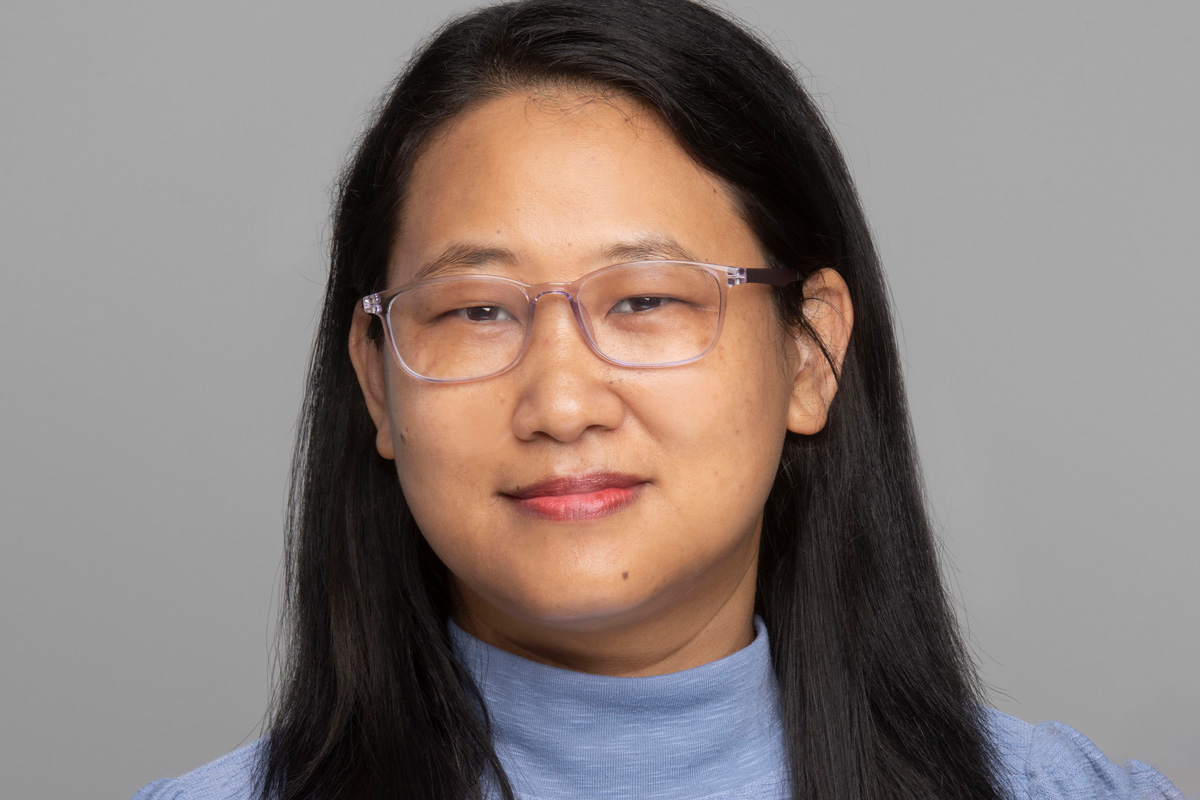
Ji Bu
Master of Theology
What is your favorite memory of your time at LSTC?
One experience I truly cherish from LSTC is serving Holy Communion in Augustana Chapel. Coming from a context in Myanmar where women are not usually allowed to lead such services, this was very meaningful. I was encouraged by the inclusive worship at LSTC, where women and men serve equally, even in giving the benediction. This has inspired me to promote gender equality in my own community and work toward a more united and inclusive future.
What was the most meaningful class you took?
I found every class I took to be enriching and impactful, thanks to the wisdom and passion of the professors. Rather than choosing one favorite, I value all of them because each contributed something unique to my learning. The different teaching styles and theological approaches broadened my perspective and deepened my understanding.
How did you feel supported during your seminary journey? Were you the recipient of any major scholarships? What communities or people uplifted you during your studies?
Receiving a 50% scholarship from LSTC made it possible for me to engage in a transformative educational experience. It allowed me to explore new theological perspectives and grow in my ministry preparation. In Myanmar, where the Christian community is not as strong, this opportunity is especially significant, as I can carry what I have learned back to serve others. I am grateful for the constant support I received from the LSTC community. Everyone I encountered—students, professors, and staff—showed kindness and generosity in many ways. This environment of care and encouragement made my experience truly meaningful.
What are your post-graduation plans?
Following graduation, I intend to continue engaging in higher-level theological study and research at LSTC. This next step will help me deepen my academic growth and better equip me for leadership and service.
How did LSTC shape you as a future leader of the public church?
LSTC has shaped me as a future leader by forming me in a diverse and inclusive community where all people are welcomed and valued. As a woman, I found a place where I could fully participate, use my voice, and engage in ministry—an opportunity I did not have in my home context. I also learned that the church’s mission is not only spiritual but holistic, caring for people’s physical and emotional needs. This experience has shown me what an authentic public church looks like and inspires me to lead with inclusion, compassion, and a commitment to building a supportive community like the early church.